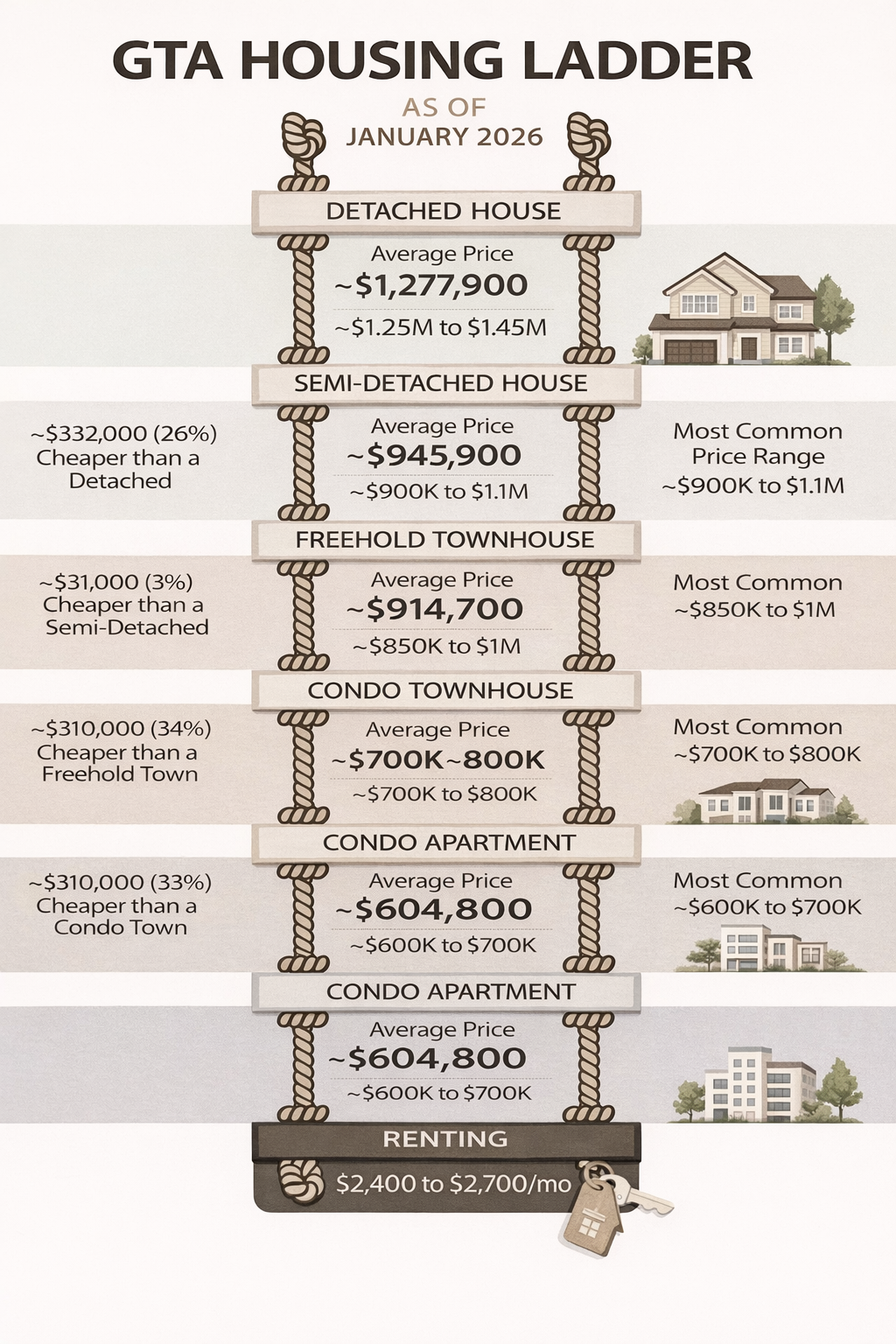
If you're renting a one-bedroom condo in Toronto for $2,500 per month, here's a number worth thinking about:
$2,500 × 36 months = $90,000
Over three years, that's $90,000 spent on rent.
That doesn't mean renting is a bad financial decision. Renting gives you flexibility, requires less upfront capital and transfers many of the responsibilities of ownership to your landlord.
But if you're planning to stay in Toronto for the next few years, there's another question worth asking:
Could some of the next $90,000 you're going to spend on housing be helping you build equity instead?
Rent Pays for Housing. A Mortgage Can Also Build Equity.
Whether you rent or own, housing costs money.
When you pay $2,500 in rent, you're paying for the right to live in the property for that month. Once the month is over, that money has served its purpose.
A mortgage works differently.
Your mortgage payment generally consists of two main components:
Interest is the cost of borrowing money from the lender.
Principal pays down the amount you borrowed to purchase your home.
That principal repayment gradually increases the portion of the property that belongs to you.
That's equity.
So while both renters and homeowners have monthly housing expenses, a homeowner can also be gradually building an ownership stake in an asset.
But $90,000 in Mortgage Payments Does NOT Mean $90,000 in Equity
This distinction is important.
If you spend $90,000 on mortgage payments over three years, you haven't necessarily created $90,000 in equity.
Part of those payments goes toward interest. Condo owners also have expenses that don't build equity, including:
Condo maintenance fees
Property taxes
Home insurance
Repairs and maintenance
Mortgage interest
Buying and selling costs
That's why comparing $2,500 rent vs. a $2,500 mortgage payment isn't enough to determine whether buying makes financial sense.
We need to look at the complete picture.
There Are Two Main Ways a Homeowner Can Build Equity
1. Paying Down the Mortgage
Every time you pay down principal, your mortgage balance gets smaller.
Imagine purchasing a condo with a mortgage of $500,000.
As you make payments, part of each payment reduces that $500,000 balance.
If several years later you owe $475,000, you've paid down $25,000 of principal.
All else being equal, that's an additional $25,000 of equity you've built through your mortgage payments.
2. The Property May Increase in Value
There's another potential source of equity: appreciation.
Suppose you purchase a Toronto condo for $600,000.
If the market value eventually increases to $650,000, that's a $50,000 increase in the property's value.
Combined with mortgage principal you've paid down, appreciation can have a significant impact on your overall equity.
But there's an important word here:
Potential.
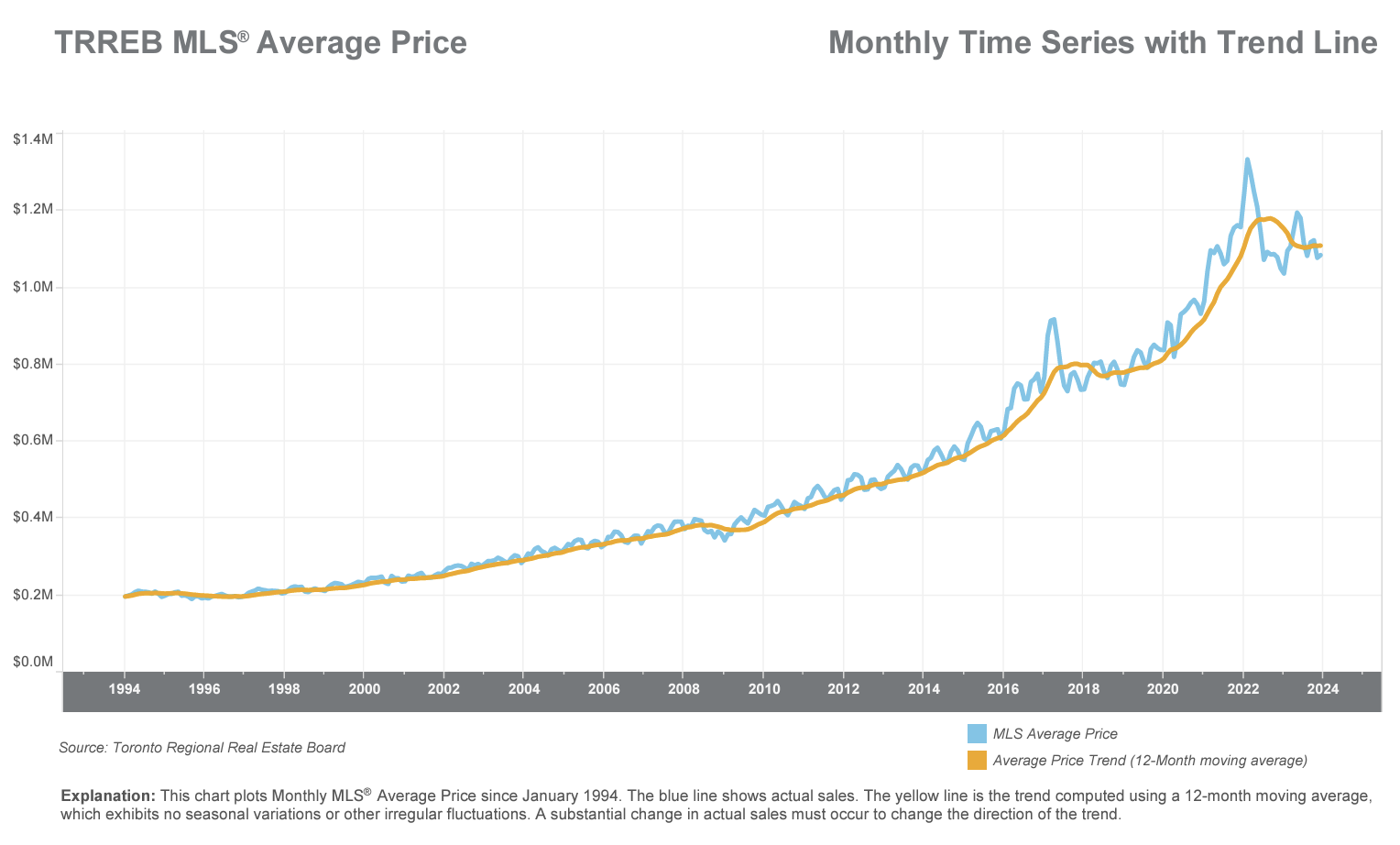
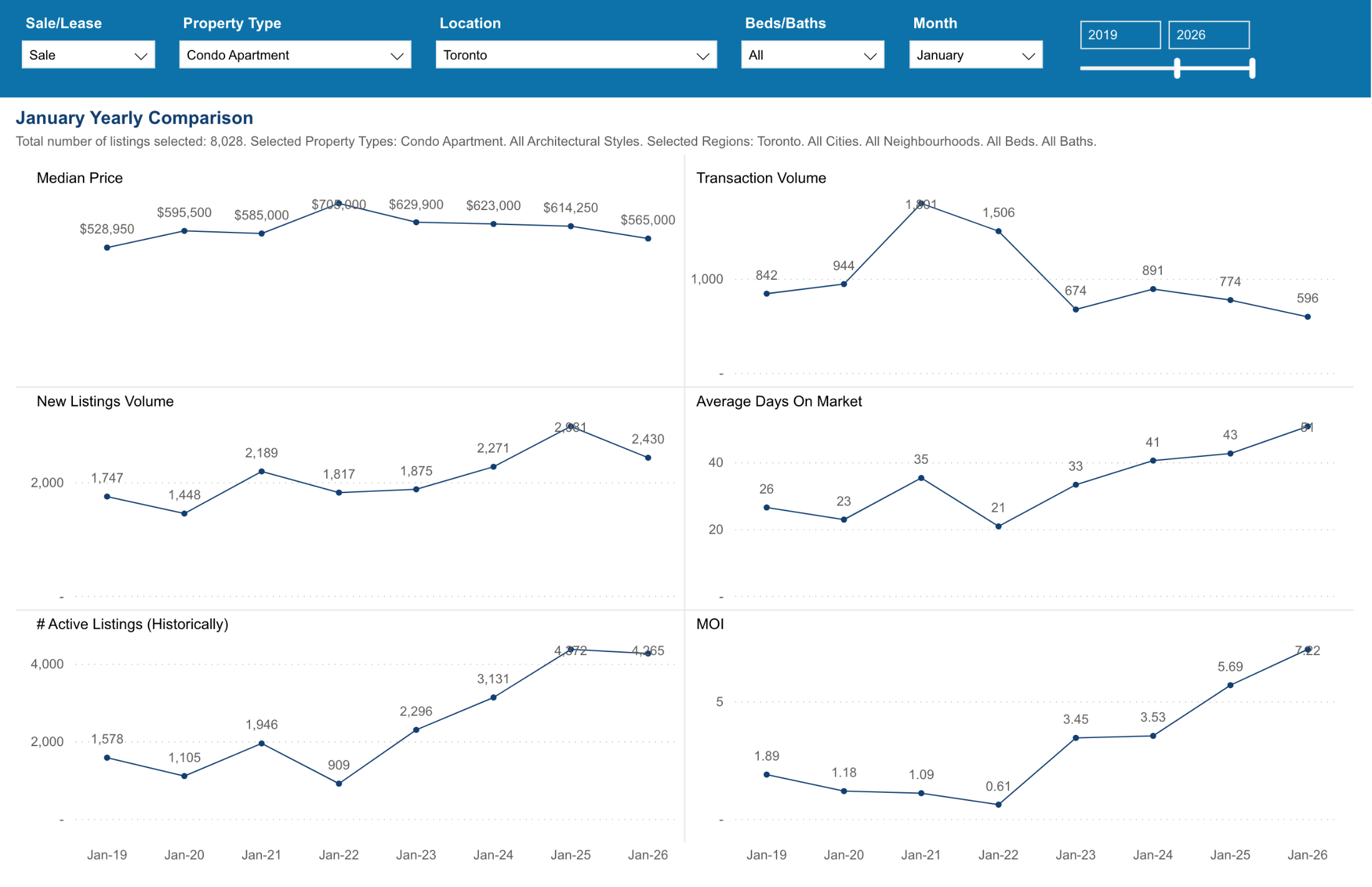
Real estate values don't move upward in a straight line. Toronto condos can appreciate, decline or remain relatively flat over any particular three-year period.
You shouldn't buy a condo simply because you expect it to increase in value.
Your Down Payment Is Also Equity
There's another part of the equation that's easy to overlook.
When you buy a property, your down payment isn't simply disappearing.
If you purchase a $600,000 condo with a $120,000 down payment, you're converting that cash into an ownership interest in the property.
You now have an asset worth $600,000 and a mortgage financing the remaining portion of the purchase.
Of course, there are transaction costs associated with buying, which is why you need more cash available than just your down payment.
But conceptually, your down payment becomes part of your equity rather than a monthly housing expense.
So Is Renting Throwing Money Away?
No.
I don't like that argument because it's overly simplistic.
Rent buys you something valuable: housing and flexibility.
And homeowners also "spend" money that doesn't come back to them through mortgage interest, property taxes, maintenance fees, insurance and transaction costs.
The better comparison isn't:
Rent = bad. Buy = good.
It's:
Given my finances, lifestyle and timeline, which option puts me in the stronger position?
The 3-Year Question
Let's go back to our Toronto renter paying $2,500 per month.
Over the next three years:
Rent: $90,000
If that same person purchases a condo, they'll also spend a significant amount of money on housing.
But some of their money may now be doing something different.
A portion could be:
Paying down mortgage principal
Building equity
Participating in any future increase — or decrease — in the property's value
And they're living in an asset they own.
That's a fundamentally different financial structure from renting.
But Buying Has a Significant Upfront Cost
This is where affordability becomes important.
In Toronto, buying a condo requires considerably more than being able to afford the monthly mortgage payment.
You'll need to consider your:
Down payment
Depending on the purchase price, Canada's minimum down-payment rules determine how much you'll need. A larger down payment can also reduce your mortgage and monthly carrying costs.
Deposit
When you successfully negotiate an Agreement of Purchase and Sale, you'll generally need to provide a substantial deposit according to the terms of the agreement. In Toronto transactions, buyers commonly encounter deposits around 5% of the purchase price, although the required amount is negotiable and transaction-specific.
This money ultimately forms part of your funds toward closing—it isn't an additional 5% on top of your purchase price.
Closing costs
Toronto buyers should also budget for expenses such as legal fees, title insurance and adjustments, along with Ontario Land Transfer Tax and Toronto's Municipal Land Transfer Tax where applicable.
Eligible first-time home buyers may qualify for land-transfer-tax rebates, which can materially reduce these costs.
This is why I don't recommend deciding whether to buy based solely on comparing your rent with an online mortgage calculator.
Start With Your Financial Profile
Before we look at condos, I recommend speaking with a mortgage broker.
A mortgage broker can look at your complete financial picture, including:
Income
Down payment
Credit
Car payments
Loans
Credit card balances
Other financial obligations
They'll use measures such as your Gross Debt Service (GDS) and Total Debt Service (TDS) ratios to determine how much mortgage you may qualify for.
From there, we can establish a realistic purchase budget.
Then my job as your Realtor becomes finding the best property we can within that budget—and negotiating the purchase based on actual market value.
Buying Isn't About Finding a Listing. It's About Buying the Right Asset.
Once we know what you can comfortably afford, the conversation changes.
We aren't just scrolling through condos under a certain price.
We're evaluating:
The unit: layout, usable square footage, natural light, bedroom dimensions, exposure, condition, parking and locker.
The building: maintenance fees, management, amenities, reserve fund, age and overall condition.
The market: comparable sales, price per square foot, days on market, pricing history and current competition.
The price we're willing to pay.
A condo can be a great home and still be a bad purchase at the wrong price.
That's why the goal isn't simply to become a homeowner.
It's to buy well.
What Could Your Next $90,000 Do?
If you're currently paying around $2,500 per month in rent, you're on track to spend another $90,000 on housing over the next three years if your rent stays unchanged.
Maybe renting remains the right decision for you.
Or maybe you're financially closer to owning than you realize.
The only way to know is to run the numbers.
Start with three questions:
1. What are you paying in rent today?
2. How much do you have available for a down payment and closing costs?
3. How much mortgage could you comfortably qualify for?
Once we have those numbers, we can compare renting and buying based on your actual situation—not a generic rule about whether renting or owning is "better."
Curious what the numbers look like for you?
Send me your current monthly rent and tell me whether you've already been pre-approved for a mortgage.
I'll help you start looking at what buying a Toronto condo could realistically look like.