Market Insights Blog

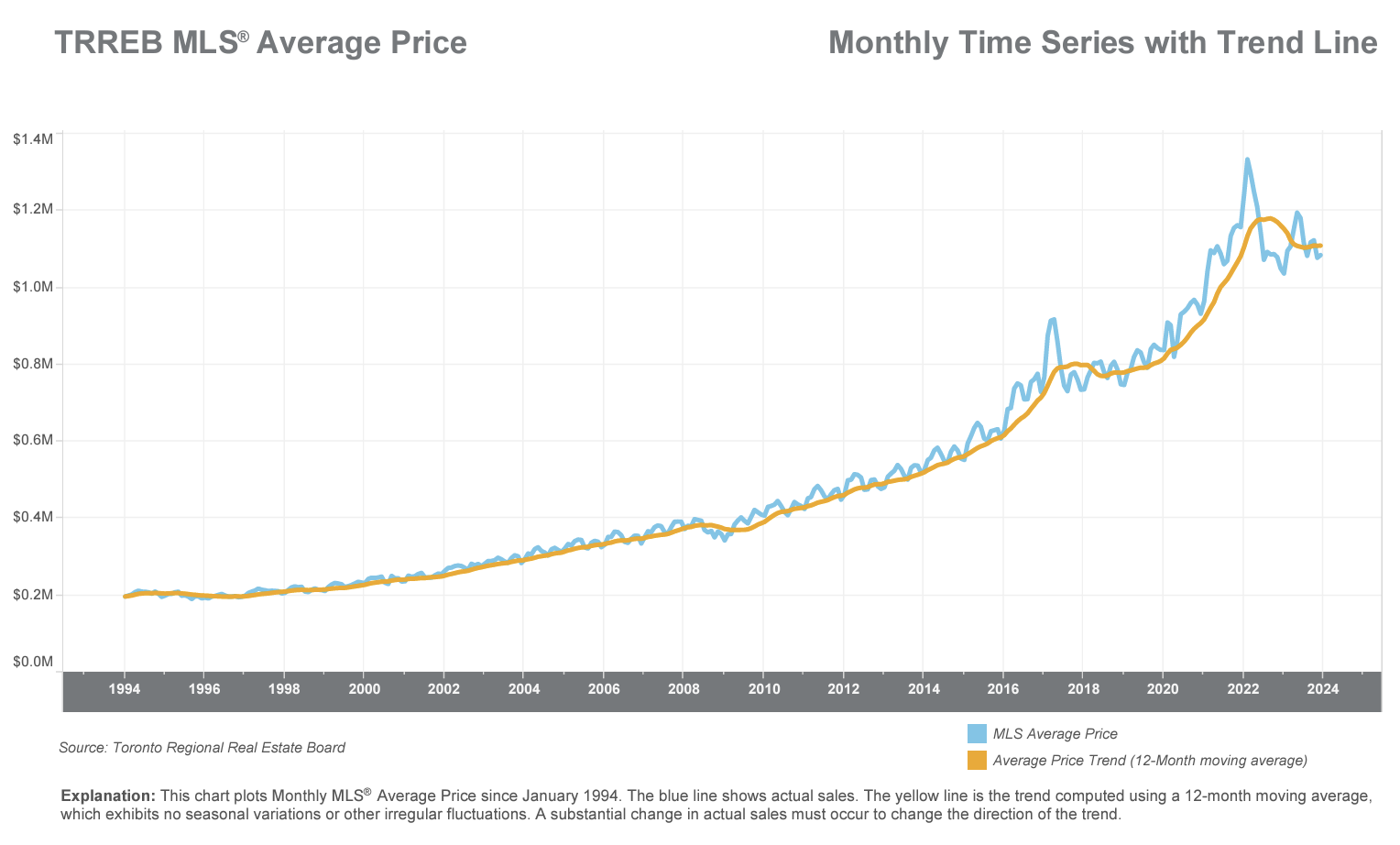
Real estate moves in cycles, but headlines rarely tell the full story.

This page breaks down what’s actually happening in the market, beyond surface-level commentary. You’ll find clear analysis on pricing trends, inventory levels, interest rate impact, buyer and seller behavior, and what the data is signaling right now.

Whether you're thinking about upsizing your home, buying as a First Time Home Buyer, selling, investing, or simply staying informed, understanding context is critical. Markets shift gradually before they shift dramatically. The goal here is to interpret patterns, not react to noise.

Each update is grounded with data insights, local activity, and real transactions, not speculation.

RSS

How to Invest in Toronto Condos in 2026: A Data-Driven Guide

Toronto’s condo market in 2026 is one of the most misunderstood opportunities in Canadian real estate.

Prices have corrected from peak 2022 levels. Investor sentiment is cautious. Immigration has slowed temporarily.

And yet, this is exactly where long-term opportunities are created.

If you’re thinking about investing in Toronto real estate, this guide will walk you through:

  • Why 2026 is a strategic entry point

  • Where to invest

  • What to watch for

  • How financing works (including for Canadians abroad)

  • Return on investment by the numbers

Real Estate vs Stock Investment

Let’s break it down by the numbers, Real estate vs. S&P 500 Stocks. I’ll walk you through a clear, data-backed view of your return on investment, using market insights and detailed calculation from hundreds of properties I’ve helped investors buy and sell over the years. No hidden gimmicks, just full transparency. 

Why 2026 Is a Strategic Entry Point

After years of aggressive growth, Toronto’s condo market has reset.

  • Prices are down from speculative peaks

  • Pre-construction pricing has disconnected from resale

  • Investor activity has slowed

But here’s what matters:

1. Supply Is Drying Up

Housing starts in Toronto have been at multi-year lows since 2024.

This is critical.

Because what gets built today determines supply in 2027–2029.

Fewer starts today = fewer units tomorrow.

2. Immigration Is Slowing But Not Stopping

Canada reduced immigration targets in 2025, which created short-term softness.

But:

  • Toronto still attracts 35–40% of newcomers

  • It remains the top economic hub in Canada

Demand may fluctuate but structurally, it’s still strong.

3. Long-Term Imbalance Is Building

When you combine:

  • Lower construction

  • Population growth

  • Urban job concentration

You get a likely supply shortage by 2027–2028 especially in central Toronto. This is where smart investors position early.

Where to Invest in Toronto

Not all condos are equal. Focus on neighbourhoods with:

  • Strong transit access

  • Lifestyle appeal

  • Long-term demand drivers

High-Conviction Areas:

  • Yorkville – premium, low supply, global appeal

  • King West – young professionals, high rental demand

  • Leslieville / Riverside – lifestyle + growth corridor

  • Distillery District / Canary District – master-planned + Ontario Line upside

  • Liberty Village – high rental liquidity

Also look near:

  • Future Ontario Line stations

  • Waterfront revitalization zones

  • Major employment nodes

What Makes a Good Condo Investment

In 2026, investing is no longer about speculation, it’s about fundamentals.

Look for:

  • Efficient layouts (no wasted space)

  • Functional 1+1 or 2-bedroom units

  • Reasonable maintenance fees

  • Strong building management

  • Rental-friendly buildings

Avoid:

  • Overpriced pre-construction

  • Poor layouts

  • Buildings with high investor turnover and weak management

The Numbers: Condo Pricing in 2026

Typical ranges:

  • 1-bedroom: $550K – $650K

  • 2-bedroom: $750K – $900K

Rental income:

  • 1-bedroom: $2,400 – $2,800/month

  • 2-bedroom: $3,200 – $3,800/month

This creates a more balanced environment where:

  • Cash flow may be tight

  • But long-term appreciation becomes the play

Step-by-Step: How to Invest in Toronto

1. Confirm Eligibility

To invest in Toronto real estate, you typically need:

  • Canadian citizenship or permanent residency

  • Or eligibility under current foreign buyer regulations

2. Build Your Financing Strategy

  • Understand your down payment capacity

  • Review mortgage options

  • Factor in closing costs and holding costs

3. Choose the Right Asset

Focus on:

  • Location

  • Layout

  • Building quality

Not hype.

4. Work With a Data-Driven Realtor

You want someone who:

  • Understands market cycles

  • Can analyze price per square foot

  • Identifies undervalued opportunities

5. Plan Your Exit Strategy

Before you buy, know:

  • Will you rent it?

  • Hold long-term?

  • Sell in 5–10 years?

Clarity upfront = better decisions.

Financing for Canadians Living Abroad (New York, London, Dubai, Kuwait, Saudi Arabia, etc.)

If you’re a Canadian citizen living and working abroad, you fall under non-resident mortgage programs.

Here’s what you need to know:

Down Payment Requirements

  • Minimum 35% down payment

  • No exceptions typically offered by major banks

Credit Requirements

  • Canadian credit history is still required

  • Lenders typically want:

    • At least 2 active trade lines

    • Minimum $3,000 combined limits

    • 2-year history

Additionally:

  • A foreign credit bureau report (e.g., from Dubai) must be provided

Income Verification

If employed, lenders will require:

  • 3–6 months of bank statements

  • Pay stubs to match deposits

  • Statements must be in English (or professionally translated)

Banking Requirements

  • You must open a Canadian bank account

  • Mortgage payments must be withdrawn from Canada

Important Limitations

  • No pre-approvals for non-residents

  • Lenders only review files once you have an accepted offer

Closing Requirements

  • You must be physically present in Canada to sign

  • Virtual signing from abroad is not permitted

Offer Strategy Tip

If buying resale:

  • Include a financing condition (minimum 5 business days)

  • This protects you while the lender reviews your file

The Reality of Investing in Toronto

Toronto is not a passive investment market.

It’s:

  • Competitive

  • Capital-intensive

  • Long-term focused

But it’s also:

  • One of the most resilient real estate markets in North America

  • A city driven by immigration, jobs, and global demand

Final Thoughts

2026 is not about chasing quick wins.

It’s about:

  • Entering at more reasonable price levels

  • Positioning ahead of future supply shortages

  • Investing with discipline

The investors who win in Toronto are the ones who:

  • Think long-term

  • Buy quality assets

  • Stay patient

Let’s Build Your Investment Plan

Whether you’re buying in 2026 or planning ahead, it’s never too early to start.

If you want help with:

  • Market analysis

  • Identifying opportunities

  • Structuring your purchase

Let’s connect.

Find a time that works for you, and we’ll build a strategy tailored to your goals.

Let’s Talk

Read

Rent vs Buy in Toronto (2026): What Actually Makes Sense Right Now?

If you’re living in Toronto or thinking about moving here, you’ve probably asked yourself:

Should I rent, or should I buy in 2026?

The truth is, there’s no one-size-fits-all answer. This decision comes down to your life stage, career, financial position, and long-term vision.

Rent vs Buy Calculator     

Let’s make the numbers make sense because your well-being comes down to making the right decision, starting with a property that aligns with your life stage, priorities, and finances.

Why People Still Choose Toronto

Yes, Toronto is expensive. Compared to cities like Montreal or Calgary, housing costs are significantly higher.

But Toronto offers something unique:

  • Strong career opportunities across tech, finance, healthcare, and media

  • A dense economy where growth compounds faster

  • World-class restaurants and lifestyle

  • Diversity over half the population is foreign-born

  • Walkable neighbourhoods like King West, Leslieville, and Yorkville

  • Access to parks, waterfront, and nature

Toronto isn’t for everyone.

It’s for people who want to build something, take risks, and thrive in a work hard, play hard environment.

Immigration & Demand

Toronto continues to be the top destination for newcomers in Canada.

  • Roughly 35–40% of immigrants settle in the GTA

  • It remains the country’s economic engine

  • Demand is supported by jobs, infrastructure, and community

This sustained demand is one of the key reasons Toronto real estate holds long-term value.

Toronto Housing Snapshot (2026)

Typical price ranges:

  • 1-bedroom condo: $550K – $650K

  • 2-bedroom condo: $750K – $900K

Rental market:

  • 1-bedroom: $2,400 – $2,800/month

  • 2-bedroom: $3,200 – $3,800/month

Rent vs Buy in Toronto (2026)

Category Renting Buying
Monthly Cost (1-Bed) ~$2,600 ~$3,400–$4,000
Monthly Cost (2-Bed) ~$3,400 ~$4,500–$5,500
Upfront Costs First & last month (~$5K–$7K) Down payment ($60K–$180K+), LTT (~$16K–$24K), legal (~$2K–$3K)
Equity Building No Yes
Flexibility High Lower (transaction costs)
Stability Depends on landlord Full control
Maintenance Landlord Owner
Market Exposure None Price upside & downside
Tax Benefits None Principal residence exemption
5-Year Outcome ~$156K spent Equity + potential appreciation

5-Year Cost Breakdown

Renting (1-Bed):

  • ~$2,600/month

  • ~$31,200/year

  • ~$156,000 over 5 years

  • No equity built

Buying (1-Bed ~$600K):

Upfront:

  • Down payment: $60K–$120K

  • Land transfer tax: ~$16K

  • Legal: ~$2K–$3K

Monthly:

  • Mortgage: ~$2,800–$3,200

  • Maintenance: ~$400–$600

  • Property tax: ~$200

Total monthly: ~$3,400–$4,000

You pay more monthly but you build equity and benefit from long-term appreciation.

When Buying Makes Sense

Buying is typically better if:

  • You plan to stay 3–5+ years

  • Your income is stable or growing

  • You’re planning to build a family

  • You want stability and control

  • You believe in Toronto’s long-term growth

When Renting Makes Sense

Renting is often better if:

  • You need flexibility

  • You’re early in your career

  • You want to test different neighbourhoods

  • You prefer to invest your capital elsewhere

The Real Question

This isn’t just a financial decision, it’s a lifestyle decision. Ask yourself:

  • Am I building my life in Toronto or testing it?

  • Do I value flexibility or stability?

  • Is Toronto my long-term home base?

Final Thoughts

Toronto is expensive, competitive, and fast-paced. But it’s also one of the best cities in the world for:

  • Opportunity

  • Diversity

  • Lifestyle

For the right person, it’s worth it.

Let’s Build Your Plan

Whether you’re thinking about buying in 2026 or planning ahead, it’s never too early to start.

If you want to map out your strategy, rent vs buy, timelines, budget, neighbourhoods Let’s talk.

Rent vs Buy COnsultation

Find a time that works for you and we’ll build a plan tailored to your goals.

Read

8 Essential Steps for Buying a Home in Toronto: A Comprehensive Guide

If you're looking to buy a home in Toronto, you're about to embark on an exciting journey! Toronto's real estate market is dynamic, and navigating it can be a bit overwhelming. But don't worry by following these 8 essential steps, you’ll be well-prepared to find your dream home in this vibrant city.

Talk to Elie

1. Do Your Research

Before diving into Toronto's competitive housing market, it's crucial to research and prepare thoroughly.

Here’s how to get started:

Understand Current Market Trends

Toronto’s real estate market can be fast-paced and competitive. Stay informed about the latest trends, including average home prices, market fluctuations, and future predictions. This knowledge will help you make informed decisions and avoid surprises during your home buying journey.

Familiarize Yourself with Different Neighbourhoods and Property Types

Toronto offers a range of neighbourhoods, each with its own unique character. Take time to explore different areas to find one that aligns with your lifestyle and preferences. Consider property types as well whether you’re looking for a condo, townhouse, or detached single-family home.

Start browsing MLS listings in the neighbourhoods you’re interested in and attend open houses. Pay close attention to home prices and how long properties stay on the market. For a convenient way to track home costs, use the Browse Properties map search on our website to search for properties and add them to your Favourite List. Identify your priorities and distinguish between your must-haves and nice to-have property features.

Talk to Elie

Must-haves are non-negotiable requirements like:

  • Open Floor Layout

  • Large Open Kitchen with South/East Exposure

  • Master Bedroom with Walk-in Closet and Ensuite Bathroom

  • Large Lot with Good Outdoor Space

  • 2 Car Garage

  • 3 Bedrooms

  • Space for 2 Home Offices

  • Closet/Storage Space

Nice-to-haves are negotiable requirements like:

  • Gas Stove

  • Amenities

  • Finished Basement or Space to Finish

  • Laundry Room Not in the Basement

  • Mudroom with Storage

  • Level Driveway

Determine Your Budget

Calculate your budget early on. Toronto is Canada's most expensive housing market, so understanding your financial limits is crucial. Consider both your down payment and closing costs to ensure you’re financially prepared.

Research housing prices in the areas you're interested in to avoid surprises. Use my Mortgage Payment Calculator to estimate monthly payments based on your budget. This will help you stay within your financial limits and find a property that fits your needs.

If you’d like to delve deeper into the finances of buying a home and evaluate how your financial situation looks like over the next 5 years, check out my Real Estate Financial Calculator and get your Free Copy whenever you’re ready. 

By thoroughly researching these aspects, you'll be better prepared to work with a realtor and find a property that fits your lifestyle, location preferences, and budget in Toronto's competitive market.

2. Find Your Realtor

In a city of over 70,000 real estate agents, choosing the right one can be daunting. Referrals from friends and family are a great starting point, but it’s important to do your own research as well.

Here are a few quick tips to help you find the best real estate agent in Toronto:

Look at Reviews and Deals

Check online reviews and past transactions to gauge an agent’s reputation. Look for agents with positive feedback and a strong track record of successful deals.

Evaluate Their Online Presence

Check online reviews and past transactions to gauge an agent’s reputation. Look for agents with positive feedback and a strong track record of successful deals.

Choose an Agent Familiar with Your Desired Neighbourhood

An agent who knows the intricacies of your preferred neighbourhood can offer valuable insights and help you find the right property. If you’re busy and want to explore Toronto’s most exciting neighbourhoods, I’ve got you covered. Go checkout his Neighbourhood Walking Tours on Youtube.

Assess the Quality of Their Listings

Examine the quality of their property listings. Professional photography and detailed descriptions often indicate a high standard of service and attention to detail.

Trust Your Instincts

Trust your gut feeling. If you have any reservations about an agent, don’t hesitate to explore other options. With so many agents in Toronto, there’s bound to be one who suits your needs perfectly.

Find the Right Fit

Make sure you and your realtor are on the same page. Whether you’re looking for a rational approach or a more emotional one, it’s essential that your agent aligns with your style. For example, if you want a more data-driven and fact based approach to decision-making, I’m is here to provide you with all the knowledge you need to make a well informed decision.

Once you’ve found the right real estate agent, they’ll set up a prospect match to send you new MLS listings that match your criteria. If you’re the type of buyer who enjoys exploring neighbourhood statistics and market analytics, feel free to get in touch. We can start with a quick 15-minute intro call to discuss your plans and go over some valuable reports and market trends.

Talk to Elie

3. Get Pre-Approved for a Mortgage

The first thing your real estate agent is going to have you do is to get a mortgage pre-approval. A mortgage pre-approval will let you know how much mortgage banks/lenders are willing to give you to spend on a home.

You may even consider doing this ahead of finding your realtor so that you can get the ball rolling right away. If you’re buying a house in Toronto, this is going to give you a realistic idea of what you can actually afford relative to your current income level and mortgage interest rates.

A mortgage pre-approval clarifies your monthly mortgage carrying costs to ensure there are no surprises. A potential lender will require you to show your income, credit score, and disclose your debts. Once approved, you will receive a letter that includes an interest rate guarantee, typically valid for 90 to 120 days.

4. Visit Properties

With your research, realtor, and mortgage pre-approval in hand, it’s time to start visiting properties. Attend open houses and schedule private viewings to get a feel for different homes. Take note of the property’s condition, layout, and location.

One thing to know especially for the first-time homebuyer is that when your realtor takes you on showings, you’re likely going to see a lot of properties back-to-back. It can be a lot to remember, so it’s never a bad idea to take some notes while on the showings. Take note of the things you liked and didn’t like so you can review them later with a clear mind. After a day spent seeing 10, maybe even 20 different properties, you’ll be grateful you did.

Don’t rush this process finding the right home takes time, and it’s essential to explore all your options to make an informed decision.

5. Get the Deposit Money Ready

In Toronto’s hot real estate market, the deposit is a critical component of a successful offer. It’s essential to have access to cash on hand when searching for a home or condominium. Being able to withdraw funds for the deposit cheque (preferably a Certified Cheque) at a moment’s notice is essential.

Deposit = Accessible Cash

Many buyers find themselves scrambling to access funds from RRSPs, FHSA, and Stocks or Bonds investments, which isn’t always a quick or easy process. If you bank with institutions like Wealthsimple or Tangerine, which don’t have physical branches, you may face additional delays as you work with their sister companies to gather your deposit.

You shouldn’t be surprised when your realtor tells you the deposit is due ASAP! In a competitive market, a seller’s market, having your deposit funds ready can make a significant difference. While it’s not always necessary to submit your deposit cheque with your offer, especially if you’re not in a bidding war, doing so can strengthen your position.

The deposit, typically 5% of the purchase price, is usually required within 24 hours of offer acceptance unless otherwise specified. However, in today’s competitive marketplace, submitting your deposit cheque with your offer even when not in a bidding war signals to the seller that you’re serious and committed, which can be a decisive factor in securing the property.

6. Make the Offer

When you find a place that you’re absolutely in love with and decide to make an offer, it’s important to manage your expectations. Toronto’s real estate market is highly competitive, and it’s not uncommon for homes to receive multiple bids. Don’t be too discouraged if you don’t secure the first home you bid on be prepared for the possibility of losing before you win.

Whether you’re competing against other buyers or simply want to make a great first impression, there are steps you can take to strengthen your bid. By optimizing each detail, you can help ensure that the package you put together is as appealing as possible. Here are a few tips for making a highly attractive offer on a home:

  • Increase Your Deposit: Offer a higher deposit to show seriousness and make your offer more appealing

  • Make the Offer as Clean as Possible: Remove as many conditions as you can to simplify the process for the seller

  • Don’t Lowball: Avoid low offers; consider starting with your highest possible bid in a competitive market

  • Consider Writing a Letter: Add a personal touch by writing a sincere letter to the sellers

  • Be Flexible with Your Closing Date: Adjust your closing date to fit the seller's needs for added appeal.

The offer process can be stressful, especially in a competitive market like Toronto. Fortunately, working with an experienced agent can help you feel more confident without compromising your position. Their guidance can make all the difference between securing your ultimate home and losing out to another buyer.

7. Home Inspection

A home inspection is a crucial step when buying a house in Toronto, especially for older homes. It can reveal hidden issues, from minor repairs to major structural problems, saving you from unexpected expenses later. Many buyers make their offers conditional on a home inspection, giving them the option to renegotiate or walk away if serious issues are found.

However, in Toronto's competitive market, some buyers choose to waive this condition to make their offer more appealing. While this can strengthen your bid, it’s risky especially with older properties that might have hidden problems. Consult with your realtor before deciding whether to skip the inspection, as it could lead to costly surprises after the purchase.

8. Close the Deal

Once your offer has been accepted, congratulations you’re officially on your way to becoming a homeowner! However, there are still a few crucial steps to finalize the process. Be prepared to sign a lot of paperwork as you work closely with your mortgage broker and real estate lawyer to finalize your mortgage and complete the legal transfer of the property. To make the process as convenient and efficient as possible, professionals nowadays rely on secure digital signing such as DocuSign so you can handle paperwork without the hassle.

During this stage, you'll also need to pay your closing expenses, which include costs like Land Transfer Tax and legal fees. If you’re a first-time homebuyer, don’t forget to check for any First-Time Home Buyer Incentives that could save you money.

Finally, if you’re looking to buy a place in Toronto, my full-service team is here to help you with every step of the home-buying process. I have access an extended network of professionals from mortgage brokers to lawyers to make your move as smooth as possible.

Talk to Elie

Read
This website may only be used by consumers that have a bona fide interest in the purchase, sale, or lease of real estate of the type being offered via the website. The data relating to real estate on this website comes in part from the MLS® Reciprocity program of the PropTx MLS®. The data is deemed reliable but is not guaranteed to be accurate.